
The Master Paving Guide:
The Comprehensive 2026 Manual
Asphalt vs. Concrete vs. Pavers vs. Gravel. The ultimate engineering breakdown of costs, lifespan, and maintenance for every homeowner.
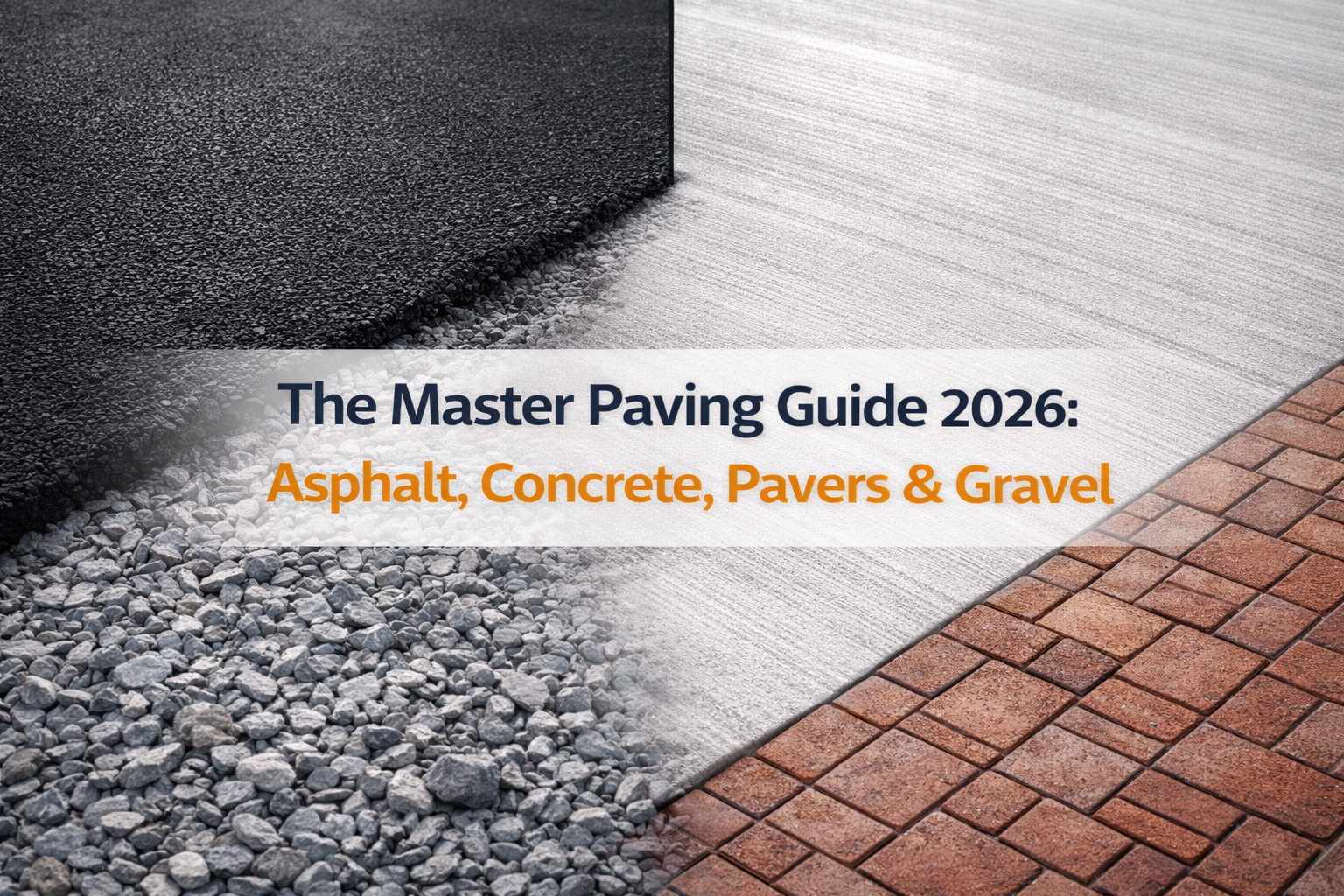
Paving a driveway is not a weekend project; it is a 20-year infrastructure investment. In 2026, the average cost of a paved driveway ranges from $3,000 to $15,000+ depending on the material physics.
Making the wrong choice isn’t just a cosmetic error—it’s a financial liability. A concrete slab in a swampy area will crack in 5 years. An asphalt driveway without a base will sink. This manual unifies all our engineering data into one decision matrix to help you choose the right surface for your climate and budget.
The “Big 4” Material Showdown
| Material | 2026 Cost / Sq. Ft. | Lifespan | Best For… | Action |
|---|---|---|---|---|
| Hot Mix Asphalt Flexible, Blacktop | $7.00 – $13.00 | 15 – 25 Years | Cold Climates (Flexes) | See Pricing → |
| Concrete Slab Rigid, Grey | $8.00 – $18.00 | 30 – 40 Years | Hot Climates (Rigid) | Compare → |
| Interlocking Pavers Premium Brick/Stone | $15.00 – $35.00 | 50+ Years | Luxury Aesthetic | Calc Bricks → |
| Gravel / Millings Permeable, Loose | $1.00 – $3.00 | Indefinite (w/ refill) | Rural / Long Drives | Calc Tons → |
Hot Mix Asphalt (Blacktop)
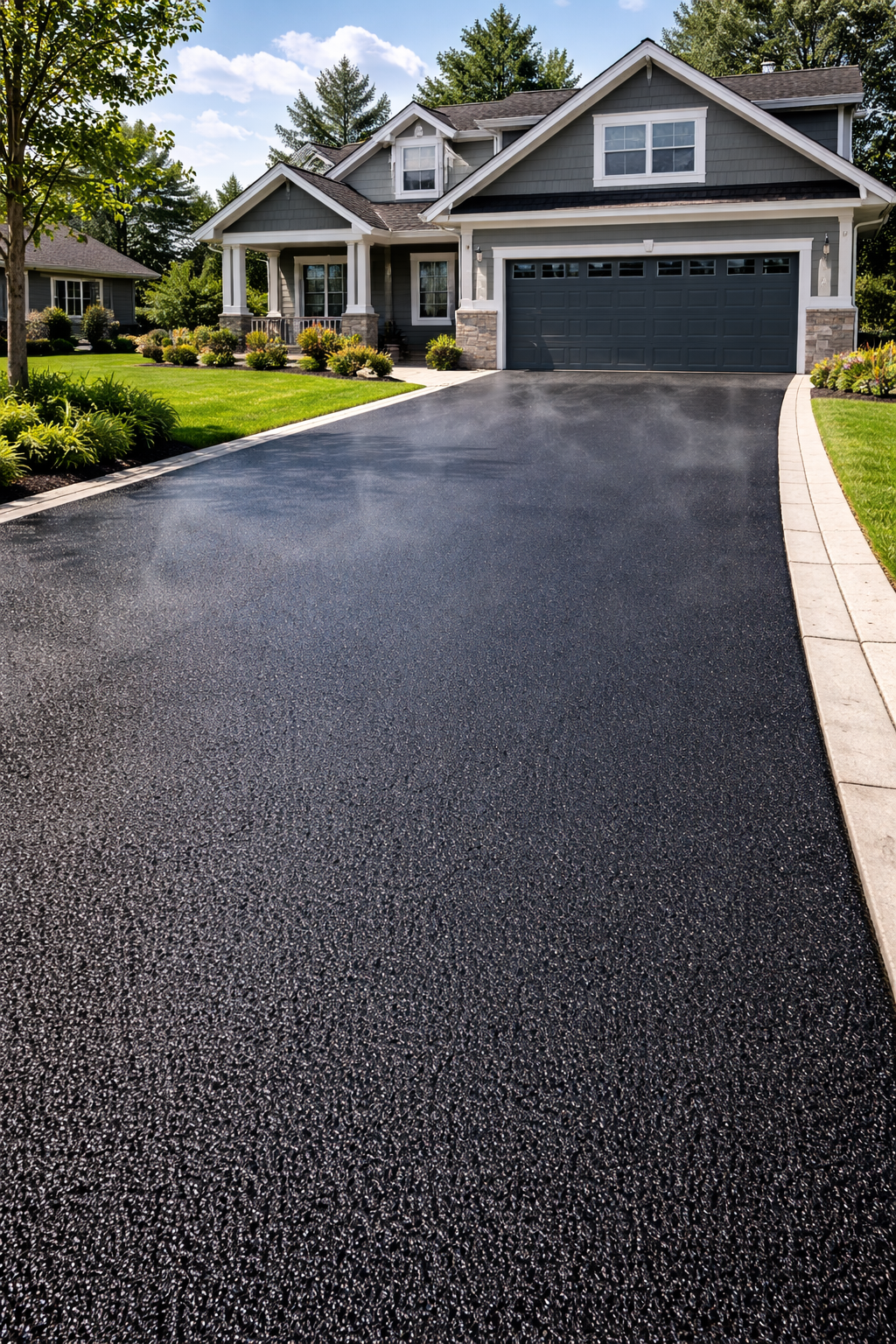
Asphalt is the most popular choice for a reason. It is cost-effective, quick to install (1-2 days), and handles freeze-thaw cycles better than concrete because it can flex. However, it requires maintenance.
- 1 Must be sealed every 3 years (See Guide).
- 2 Requires a specific thickness to survive (See Thickness Specs).
Gravel & Recycled Millings
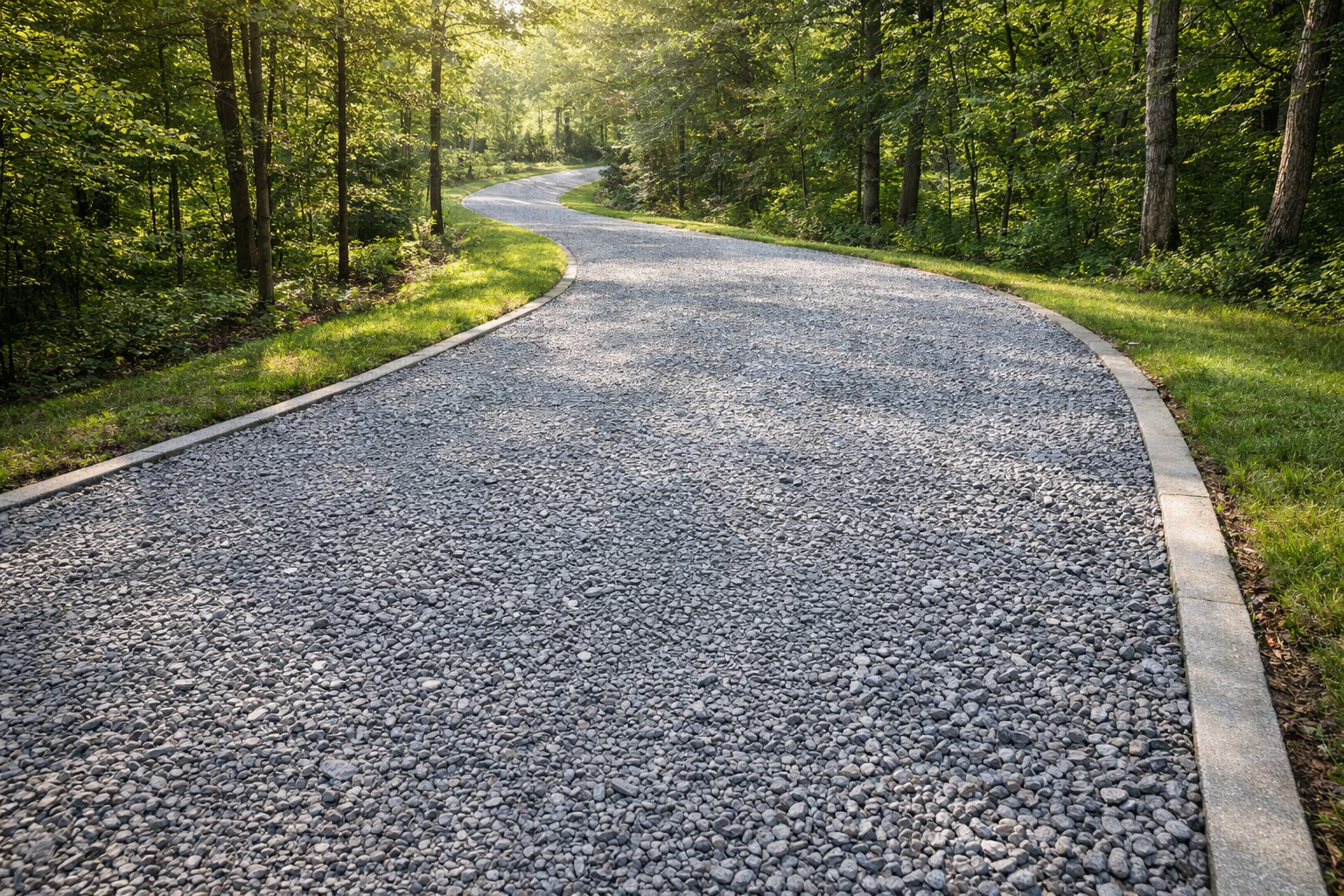
If you have a long rural driveway (over 100 ft), paving is expensive. Gravel is the solution. It drains water instantly and costs 80% less than asphalt.
Interlocking Pavers
Pavers don’t crack because they have joints that allow movement. They increase property value more than any other material. However, the installation is complex.
Ready to Estimate Your Project?
Select your material below to open the specific engineering calculator.